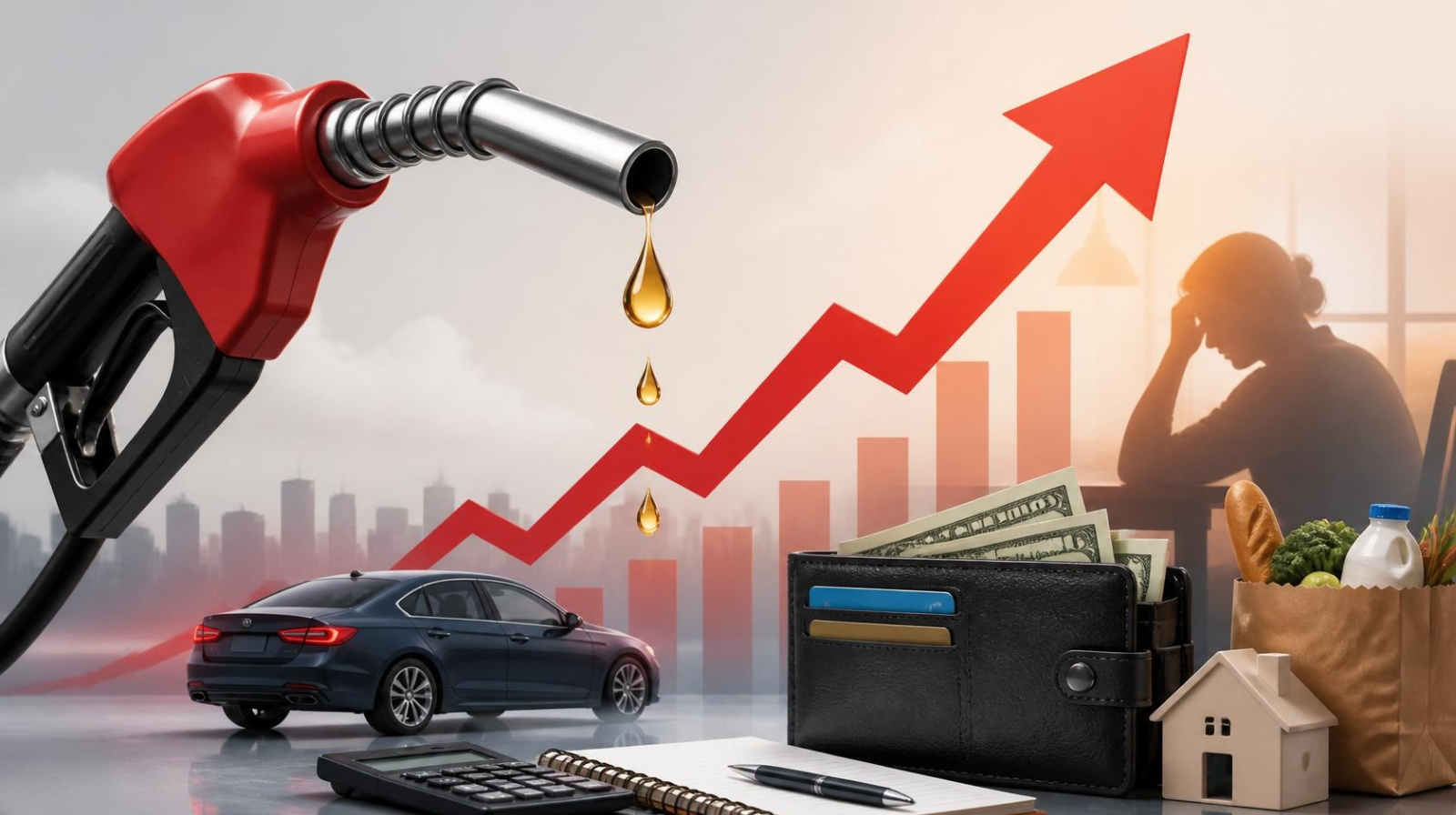
More Than Just a Trip to the Petrol Station
For many Australians, filling up the car used to be a routine expense.
Today, it’s often a source of frustration and financial stress.
Fuel prices have become one of the most visible reminders of how global economic events can directly affect household budgets. Whether you’re commuting to work, taking the kids to school, running a business, or planning a holiday, rising fuel costs can impact almost every financial decision you make.
But fuel shocks don’t just affect what we pay at the pump.
They influence how we travel, where we spend, how businesses operate, and ultimately, how we manage our money.
At MyMoneyMedic, we believe understanding these changes helps transform uncertainty into opportunity. Because when you know what’s driving financial pressure, you’re better equipped to respond with confidence.
How Fuel Costs Are Reshaping Financial Decisions
1. Fuel Prices Affect More Than Transport
When fuel prices rise significantly, most people immediately notice the impact on their weekly budget.
However, the effects extend much further.
Fuel costs influence:
- Food transportation and grocery prices
- Delivery and logistics expenses
- Public transport operations
- Air travel costs
- Business operating expenses
As transportation becomes more expensive, many products and services become more expensive too.
This creates a ripple effect across the economy and places additional pressure on household finances.
2. Australians Are Changing Their Travel Habits
Throughout previous fuel shocks, Australians adapted quickly.
Many households began:
- Combining multiple errands into one trip
- Using public transport more frequently
- Working remotely where possible
- Carpooling with colleagues
- Choosing local holidays over long-distance travel
These behavioural shifts demonstrate something important:
People are remarkably adaptable when faced with financial challenges.
While rising fuel costs can feel frustrating, they can also encourage smarter spending habits and more efficient use of resources.
3. The Hidden Impact on Household Budgets
One of the biggest challenges with rising fuel costs is that they often arrive alongside other financial pressures.
Many households are already managing:
- Higher mortgage repayments
- Increased rental costs
- Rising insurance premiums
- More expensive groceries
- Utility bill increases
When fuel expenses rise on top of these costs, financial pressure can compound quickly.
For example:
A household spending an additional $30 per week on fuel may not initially notice the impact.
However, over a year, that’s more than $1,500 in additional expenses.
Small increases become significant when viewed over the long term.
4. What Fuel Shocks Teach Us About Financial Resilience
One important lesson from previous fuel shocks is that financial resilience matters more than perfect forecasting.
Nobody can predict:
- Global energy markets
- Geopolitical events
- Supply chain disruptions
- Commodity price movements
What you can control is your preparedness.
Building resilience means:
- Maintaining an emergency fund
- Understanding your spending habits
- Managing debt responsibly
- Creating flexibility within your budget
This allows you to absorb unexpected financial shocks more comfortably.
👉 For economic updates and inflation insights, visit Reserve Bank of Australia
5. Looking Ahead: What Comes Next?
The future of transportation is evolving rapidly.
Across Australia and globally, we’re seeing:
- Increased adoption of electric vehicles
- Greater investment in public transport
- More flexible work arrangements
- Advances in sustainable transport technologies
While fuel will remain important for years to come, the way Australians travel is likely to continue changing.
For households, this presents an opportunity to evaluate long-term transport costs and make choices that support both financial wellbeing and lifestyle goals.
👉 Explore MMM’s PulseCheck to understand how rising living costs are affecting your overall financial health
👉 For practical budgeting tools and money guidance, visit ASIC MoneySmart
Tips: How to Manage Rising Fuel Costs
1. Review Your Weekly Travel Habits
Look for opportunities to reduce unnecessary trips and combine errands.
2. Create a Fuel Budget
Treat fuel as a dedicated category in your household budget and monitor spending trends.
3. Compare Fuel Prices
Use fuel comparison apps to identify cheaper options in your area.
4. Maintain Your Vehicle
Regular servicing and proper tyre pressure can improve fuel efficiency.
5. Consider Alternative Transport Options
Public transport, cycling, walking, or remote work arrangements may reduce costs.
6. Strengthen Your Emergency Fund
Unexpected price spikes become easier to manage when you have a financial buffer.
Take Control with the MyMoneyMedic App
As living costs continue to evolve, staying informed about your financial health has never been more important.
The MyMoneyMedic App helps Australians build stronger financial wellbeing through:
✔ PulseCheck – A real-time assessment of your financial health
✔ Personalised financial insights and recommendations
✔ Early identification of financial stress indicators
✔ Smart tools to help you manage spending and budgeting
✔ Access to the Care Portal for additional support and guidance
Whether fuel prices rise, interest rates change, or household expenses increase, MyMoneyMedic helps you stay one step ahead.
📲 Download MyMoneyMedic today:


Because financial wellbeing starts with awareness.
Final Thoughts: Adapting Creates Opportunity
Fuel shocks remind us that economic change is inevitable.
But they also demonstrate how adaptable Australians can be.
By understanding how rising costs affect your finances, making thoughtful adjustments, and focusing on what you can control, you can build greater resilience and confidence for the future.
At MyMoneyMedic, we believe financial wellbeing isn’t about avoiding every challenge—it’s about having the tools, knowledge, and support to navigate them successfully.
And sometimes, the best financial decisions begin with understanding where your money is going today.