
Australia’s Housing Market Splits in Two

Understanding the Housing Market Divide

Australia’s housing market is showing clear signs of a split. While cities like Sydney and Melbourne are seeing slowing or declining home values, Perth, Brisbane, and Adelaide continue to experience strong growth. According to ANZ Research, these contrasting trends mark a significant shift after the Reserve Bank’s recent rate hike. (Realestate)

At MyMoneyMedic, we know market changes can feel stressful. But understanding what’s happening brings clarity and confidence, letting you make informed choices for your financial wellbeing.

💡 What the Split Means

  • Sydney & Melbourne: Dwelling values have fallen slightly or plateaued. For example, Sydney’s high-end properties have declined for three consecutive months, while Melbourne is 0.8% below its recent peak. Auction clearance rates are weakening, reflecting softer demand.
  • Perth, Brisbane & Adelaide: These cities are still experiencing growth — some exceeding 14% annual increases. Low listing numbers are keeping competition tight, driving strong price momentum.
  • Mortgage Impact: Rate hikes have added roughly $80–$160 per month to repayments depending on your loan size, even as the market experiences this uneven growth.

This split creates both challenges and opportunities, depending on your location, financial goals, and strategy.

🛠️ Tips to Navigate the Market with Confidence

  1. Review Your Budget & Mortgage: Know how recent rate hikes affect your repayments and spending flexibility.
  2. Stay Local-Savvy: Understand trends in your city — what’s slowing in Sydney may be surging in Brisbane.
  3. Focus on Long-Term Goals: Don’t let short-term fluctuations derail your bigger financial picture.
  4. Avoid Panic Moves: A cooling market can create buying opportunities; a hot market requires caution.
  5. Use Tools for Insight: Apps like MyMoneyMedic help track expenses, mortgage impact, and financial progress.

💡 Tip: Small, informed steps today reduce stress tomorrow.

🎥New Research Warns Australia’s Housing Crisis Will Be Catastrophic in 2026 | Brisbane to Grow by 20%

Here’s a helpful video explaining current Australian property trends.

📱 Stay Ahead with the MyMoneyMedic App

When markets feel unpredictable, clarity is your superpower. The MyMoneyMedic App helps you:

  • Track income, expenses, and debt in one place
  • Plan for mortgage repayments with changing rates
  • Get personalised insights to reduce financial stress
  • Make informed, confident financial decisions

👉 Download the MyMoneyMedic App now on Google Play or Apple App Store and take control of your financial journey today.

We’re still improving the app & would love your feedback. Share your thoughts with us here:

📝 Submit your feedback

💭 Final Thoughts: Positivity Through Preparedness

A split housing market isn’t a reason for panic. By staying informed, tracking your finances, and making intentional choices, you can navigate uncertainty with calm, confidence, and hope.

Remember, financial wellbeing is built not by controlling the market, but by controlling your decisions, habits, and mindset — one step at a time.
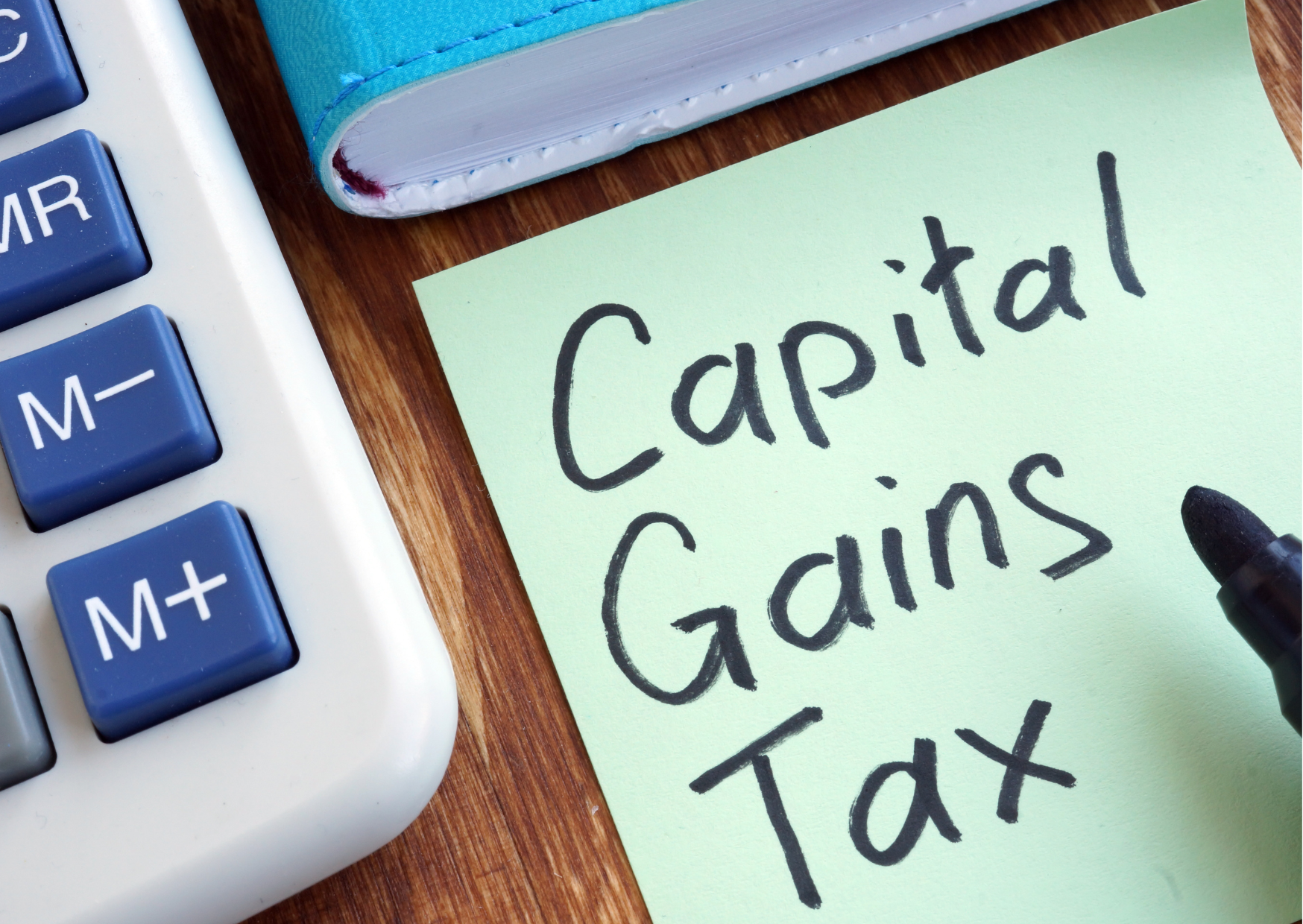
How CGT Rules Affect Housing Affordability

Understanding CGT and Housing Stress

Housing affordability continues to challenge Australians, especially first-time buyers. Recent discussions in NSW highlight that capital gains tax (CGT) discounts and negative gearing disproportionately benefit wealthy investors, pushing property prices higher and making it harder for everyday Australians to own a home.

We know that financial stress from housing pressures affects both your financial and overall wellbeing. Understanding these tax rules and their impact can help you make informed decisions and take steps to stay financially secure.

Read the full Guardian report here:
👉 The Guardian: CGT Discount and Housing Affordability

How CGT Discounts and Negative Gearing Influence Housing

1. Capital Gains Tax Discount

The 50% CGT discount applies to investments held for over 12 months. It lowers the effective tax rate for investors, boosting after-tax returns and enabling more aggressive bidding on properties. This advantage often outpaces first-time home buyer support.

2. Negative Gearing

Negative gearing allows investors to offset property losses against other income, further increasing their purchasing power. Combined with the CGT discount, this encourages housing investment over homeownership for everyday Australians.

3. Rising Investor Lending

NSW Treasury reports show lending to investors reached $139bn in 2025, compared with $64bn to first-time buyers. These imbalances highlight how policy settings amplify inequality in housing access.

Impact on Everyday Australians

High investor demand and tax advantages can lead to:

  • Rising house prices, outpacing wage growth.
  • Reduced access to affordable homes for first-time buyers.
  • Increased financial stress, particularly for young households.

Housing stress is not just financial; it affects wellbeing, sleep, and long-term life planning. Tools like the MyMoneyMedic PulseCheck can help you understand how financial stress affects your health.

Tips to Navigate Housing Stress

💡 Practical Advice from MyMoneyMedic

  1. Know Your Budget
    Understand what you can realistically afford, including potential interest rate changes.
  2. Explore Housing Alternatives
    Shared ownership, co-living, or regional areas may provide more accessible options.
  3. Build Savings Strategically
    Even small amounts can grow over time, helping with deposits or emergency funds.
  4. Seek Financial Guidance Early
    A financial counsellor can help with planning, budgeting, and mortgage strategies:
    👉 Care Portal
  5. Mind Your Wellbeing
    Financial stress can affect mental health. Mindfulness, exercise, and talking to trusted advisors are key to maintaining balance.

🎥 Taxing the Dream: The NSW Housing Affordability Challenge..

Final Thoughts: Protect Your Wellbeing Amid Policy Shifts

While changes to tax settings may take time, your financial resilience and mental wellbeing are within your control. By budgeting carefully, exploring options, and seeking support early, you can navigate housing stress more confidently.

We believe that understanding the system and taking proactive steps are essential for reducing financial anxiety and staying on track toward your goals.