

Debt Time Bomb: How to Protect Yourself

Understanding the “Debt Time Bomb”

Rising personal debt isn’t just a headline — it’s a reality affecting families around the world. Recent research shows that in many areas, households are carrying average debts over $1 million, including mortgages, car loans, credit cards, and buy‑now‑pay‑later (BNPL) balances. These rising liabilities — combined with potential interest rate increases — put financial well‑being at risk for many individuals and families.

The term “debt time bomb” reflects a pattern where debt becomes unmanageable, increasing stress and reducing financial flexibility. At MyMoneyMedic (MMM), we know that financial stress isn’t just about numbers — it affects your emotional well‑being, relationships, and quality of life.

💡 Why This Matters to You

High levels of debt, especially when coupled with rising living costs or unexpected life events, can lead to ongoing stress and anxiety. Research shows that debt isn’t just a financial challenge — it significantly impacts mental well‑being and overall life satisfaction.

Without the right awareness and action, many people find themselves:

  • Struggling to pay everyday expenses 
  • Constantly refinancing or tapping into home equity 
  • Feeling overwhelmed by credit card or BNPL balances 
  • Unable to save for emergencies or future goals 

🎥 Sydney Hits $2 MILLION While Mortgage Defaults SURGE – The Paradox Destroying Australia

📘 How a Debt Time Bomb Develops

Many people don’t start out trying to build debt — it usually creeps in gradually through choices like:

  • Taking out large mortgages without clear repayment plans.
  • Using credit cards for everyday expenses.
  • Financing lifestyle purchases instead of saving for them.
  • Relying on refinancing to cover short‑term gaps. 

💭 Tip: Avoid using your home like a “piggy bank.” Equity should be a safety net, not a financing tool for regular spending.

🛠️ Proven Strategies to Stay in Control

Here are targeted tips to help you prevent financial stress from turning into a debt crisis:

1. Track Your True Financial Picture

Know what you owe and to whom. Seeing the full picture makes creating a plan easier.

2. Build & Use a Realistic Budget

Allocate income toward essentials first, then savings, then debt repayment. Apps like MMM can simplify this for you.

3. Pay Down High‑Interest Debt First

Credit cards and BNPL often carry higher interest; focusing on these reduces long‑term costs.

4. Avoid New Debt While Repaying Old Debt

Impulse borrowing increases stress — pause new loans until existing balances are under control.

5. Build an Emergency Fund

Even $500–$1000 in savings can prevent you from needing high‑cost borrowing during unexpected events.

6. Consider Professional Support

Financial counseling or trusted advisors can help create a tailored debt management plan.

📱 Your Partner in Financial Well‑Being: MyMoneyMedic App

Managing your finances doesn’t have to be overwhelming. The MyMoneyMedic App empowers you with tools to:

  • Track your income, expenses, and debt in one place
  • Set realistic budgets and goals
  • Get personalised insights on how to reduce financial stress
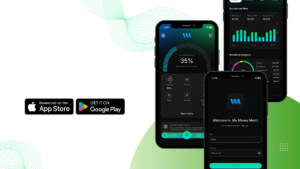
 

👉 Download the MyMoneyMedic App on Google Play & Apple App Store today and take your first step toward financial clarity and peace of mind.


We’re still improving the app & would love your feedback. Share your thoughts with us here:

📝 Submit your feedback

💭 Final Thoughts: Take Charge Before It’s Too Late

A “debt time bomb” doesn’t have to define your future. By understanding how debt works — and how stress ties into your overall well‑being — you can make intentional choices that protect both your financial and emotional health.

Debt doesn’t disappear overnight. But with the right mindset, tools, and habits, you can:
✔️ Regain control,
✔️ Reduce financial stress, and
✔️ Build confidence in your future.

Start small, stay consistent, and don’t be afraid to ask for help — that’s what MyMoneyMedic is here for.

11 Ways to Keep More Money in Your Pocket

Take Charge of Your Money

Financial stress can affect anyone, especially with rising living costs across Australia. The good news? Simple, intentional steps can help you keep more of your hard-earned money, reduce unnecessary spending, and build confidence in your financial decisions. In this guide, we share 11 practical ways to reclaim your cash and improve your overall money wellbeing.

11 Ways to Keep More Money in Your Pocket

1. Track Every Dollar

Understanding where your money goes is the first step to saving. Record all income and expenses—even small daily purchases—so you can identify where you can cut back. Tools like Pocketbook or MoneySmart’s budget planner can make this simple and visual.

2. Review Subscriptions

From streaming services to gym memberships, recurring subscriptions quietly drain your finances. Review what you use regularly and cancel or downgrade unnecessary services. Even small monthly savings quickly add up.

3. Prioritise High-Interest Debt

Credit cards and personal loans with high interest can silently eat your budget. Focus on paying off high-interest debt first while maintaining minimum payments elsewhere. This reduces interest payments and leaves more money for your goals. (ASIC MoneySmart: Managing Debt)

4. Cook More at Home

Regularly buying lunch or takeaway adds up. Preparing meals at home allows you to control costs and eat healthier. Planning weekly meals and batch cooking can save hundreds each month.

5. Sell Items You Don’t Use

Unused items around the house—like old electronics, clothes, or furniture—can be sold through platforms like Gumtree or Facebook Marketplace. This helps declutter your space and brings extra cash into your pocket.

6. Explore Better Banking Options

Some Australian banks offer no-fee accounts, high-interest savings, or cashback incentives. Comparing accounts can help you save on fees and earn interest on your savings. (Canstar: Compare Bank Accounts)

7. Use Rewards Programs

Loyalty points, cashback, and reward programs from stores or cards are money you’ve already spent. Redeem points for essentials, groceries, or bills to stretch your budget further.

8. Try No-Spend Days

Choose one or two days a week to avoid discretionary spending entirely. Planning these no-spend days encourages mindful consumption and helps break unnecessary spending habits.

9. Check for Forgotten Funds

Old bank accounts, tax refunds, or unclaimed superannuation balances may be waiting for you. Check MoneySmart’s unclaimed money search to reclaim funds you might have forgotten.

10. Build an Emergency Fund

Even small contributions into a dedicated emergency fund help prevent unexpected expenses from turning into debt. Start with manageable amounts each week, and increase as you can.

11. Subscribe to MyMoneyMedic

The most effective way to consistently keep more money is with guidance and support. By subscribing to MyMoneyMedic, you receive personalised tips, tools, and advice to manage finances, reduce stress, and make smarter money decisions every day.

Want to be a test user of our new app on TestFlight? Click here to join and get early access to tools designed to help you take control of your financial wellbeing.

🎥14 Easy Ways to Put More Money in Your Pocket & How to Keep it Simple

Money-Saving Tips from MyMoneyMedic

  • Start small: Focus on one or two strategies and build from there.
  • Automate savings: Set up regular transfers to savings or emergency accounts.
  • Review monthly: Monitor spending, adjust habits, and celebrate small wins.

Final Thoughts

Saving money and building financial confidence doesn’t require drastic lifestyle changes. With deliberate tracking, reducing unnecessary costs, and utilising smart banking and rewards options, Australians can regain control over their finances. Remember, MyMoneyMedic is here to guide you, step by step, toward a more secure financial future.