

Why Australian House Prices Soared

Understanding the House Price Surge

Over the last 30 years, Australian house prices have skyrocketed. For example, a typical Sydney or Melbourne home bought for $150,000 in 1995 could be worth $900,000 today. But did the houses become six times better? Not really — the homes are largely the same. So, what drove this dramatic increase?

At MyMoneyMedic (MMM), we believe understanding the true causes of financial trends is the first step toward financial wellbeing. It’s not just about the market — it’s about how you manage your money and stress. (RBA Household Debt Report)

💡 The Real Drivers Behind Rising Prices

Contrary to popular belief, scarcity isn’t the main factor. Instead:

  1. Rising Borrowing Capacity: Lower interest rates over decades dramatically increased how much Australians could borrow. In 1990, mortgage rates were ~17%. By 2020, rates dropped to 0.1%, allowing buyers to borrow far more than before.
  2. Income Growth vs House Prices: Median wages doubled over 30 years, but house prices increased sixfold. The gap between income and property cost widened, forcing many into higher debt.
  3. Household Debt: Australian household debt grew from 60% of annual income in 1990 to 180% in 2024, reflecting more borrowing rather than more wealth.
  4. Inflation of Money Value: Essentially, the “value” of money changed. You’re paying more dollars for roughly the same house, not necessarily a vastly better home.

This explains why rents and actual housing value haven’t increased at the same rate. (ABS Building Approvals)

🛠️ Tips for Managing Your Finances in a High-Price Market

Even if property prices feel out of reach, you can protect your financial wellbeing:

  1. Track Your Spending: Know exactly how much is going toward housing, debt, and essentials.
  2. Prioritise Savings: Build an emergency fund to avoid relying on credit during unexpected expenses.
  3. Avoid Overleveraging: Don’t borrow more than you can comfortably repay.
  4. Consider Alternative Investments: Real estate isn’t the only path to financial growth. Diversify wisely.
  5. Stay Informed: Follow trusted sources for housing trends, interest rates, and economic changes.

💡 Tip: Using a financial management tool like the MyMoneyMedic App helps track debt, set budgets, and plan for your financial goals.

🎥 What will happen to house prices in 2026? The Business | ABC News

📱 Take Control with the MyMoneyMedic App

Financial stress can be overwhelming in today’s market, but tools like MyMoneyMedic empower you to take control:

  • Track income, expenses, and debt in one place
  • Get actionable insights to reduce financial stress
  • Set goals for savings, investments, and debt repayment
  • Receive personalised advice for long-term financial wellbeing

👉 Download the MyMoneyMedic App now on Google Play or Apple App Store. Take your first step toward smarter money management today.


We’re still improving the app & would love your feedback. Share your thoughts with us here:
📝 Submit your feedback

💭 Final Thoughts: Focus on What You Can Control

House prices may rise or fall, but your financial wellbeing doesn’t have to depend on the market. By understanding trends, making informed choices, and using tools like the MyMoneyMedic App, you can protect your money, reduce stress, and build confidence in your financial future.

Remember: It’s not the market that defines your financial health — it’s the habits, decisions, and tools you use every day.

Debt Time Bomb: How to Protect Yourself

Understanding the “Debt Time Bomb”

Rising personal debt isn’t just a headline — it’s a reality affecting families around the world. Recent research shows that in many areas, households are carrying average debts over $1 million, including mortgages, car loans, credit cards, and buy‑now‑pay‑later (BNPL) balances. These rising liabilities — combined with potential interest rate increases — put financial well‑being at risk for many individuals and families.

The term “debt time bomb” reflects a pattern where debt becomes unmanageable, increasing stress and reducing financial flexibility. At MyMoneyMedic (MMM), we know that financial stress isn’t just about numbers — it affects your emotional well‑being, relationships, and quality of life.

💡 Why This Matters to You

High levels of debt, especially when coupled with rising living costs or unexpected life events, can lead to ongoing stress and anxiety. Research shows that debt isn’t just a financial challenge — it significantly impacts mental well‑being and overall life satisfaction.

Without the right awareness and action, many people find themselves:

  • Struggling to pay everyday expenses 
  • Constantly refinancing or tapping into home equity 
  • Feeling overwhelmed by credit card or BNPL balances 
  • Unable to save for emergencies or future goals 

🎥 Sydney Hits $2 MILLION While Mortgage Defaults SURGE – The Paradox Destroying Australia

📘 How a Debt Time Bomb Develops

Many people don’t start out trying to build debt — it usually creeps in gradually through choices like:

  • Taking out large mortgages without clear repayment plans.
  • Using credit cards for everyday expenses.
  • Financing lifestyle purchases instead of saving for them.
  • Relying on refinancing to cover short‑term gaps. 

💭 Tip: Avoid using your home like a “piggy bank.” Equity should be a safety net, not a financing tool for regular spending.

🛠️ Proven Strategies to Stay in Control

Here are targeted tips to help you prevent financial stress from turning into a debt crisis:

1. Track Your True Financial Picture

Know what you owe and to whom. Seeing the full picture makes creating a plan easier.

2. Build & Use a Realistic Budget

Allocate income toward essentials first, then savings, then debt repayment. Apps like MMM can simplify this for you.

3. Pay Down High‑Interest Debt First

Credit cards and BNPL often carry higher interest; focusing on these reduces long‑term costs.

4. Avoid New Debt While Repaying Old Debt

Impulse borrowing increases stress — pause new loans until existing balances are under control.

5. Build an Emergency Fund

Even $500–$1000 in savings can prevent you from needing high‑cost borrowing during unexpected events.

6. Consider Professional Support

Financial counseling or trusted advisors can help create a tailored debt management plan.

📱 Your Partner in Financial Well‑Being: MyMoneyMedic App

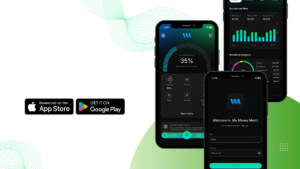
Managing your finances doesn’t have to be overwhelming. The MyMoneyMedic App empowers you with tools to:

  • Track your income, expenses, and debt in one place
  • Set realistic budgets and goals
  • Get personalised insights on how to reduce financial stress


👉 Download the MyMoneyMedic App on Google Play & Apple App Store today and take your first step toward financial clarity and peace of mind.


We’re still improving the app & would love your feedback. Share your thoughts with us here:

📝 Submit your feedback

💭 Final Thoughts: Take Charge Before It’s Too Late

A “debt time bomb” doesn’t have to define your future. By understanding how debt works — and how stress ties into your overall well‑being — you can make intentional choices that protect both your financial and emotional health.

Debt doesn’t disappear overnight. But with the right mindset, tools, and habits, you can:
✔️ Regain control,
✔️ Reduce financial stress, and
✔️ Build confidence in your future.

Start small, stay consistent, and don’t be afraid to ask for help — that’s what MyMoneyMedic is here for.