
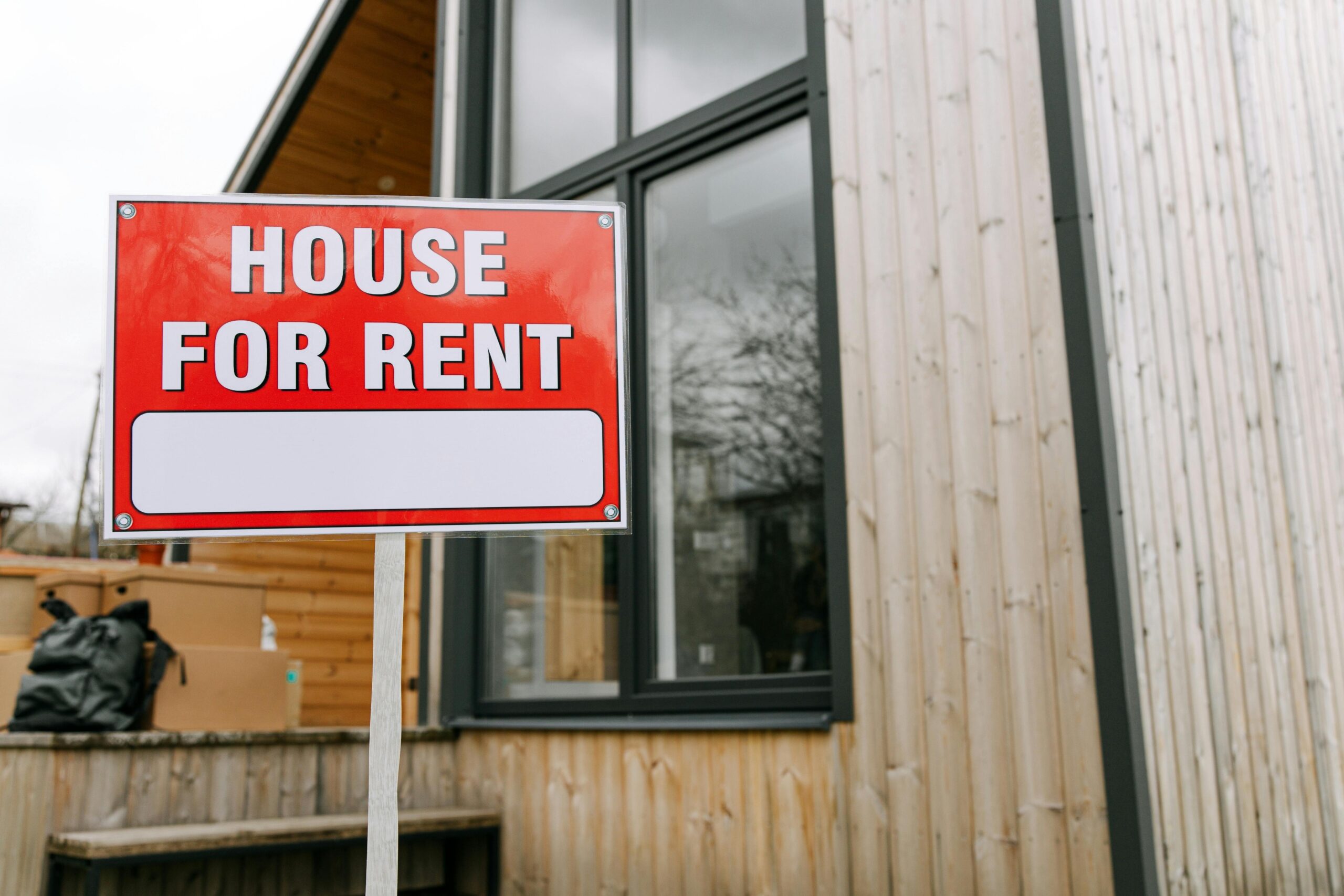
Landlord Warning as Property Tipping Point Nears

Property Pressure Is Reaching a Limit

Australia’s property market is approaching what many experts are calling a critical tipping point. Rising costs, policy uncertainty, and strained rental conditions are placing pressure not only on renters but also on landlords themselves.

A recent Yahoo News report highlights growing concern among property owners, with some warning that conditions are becoming “unsustainable” as expenses rise and confidence weakens. You can read the full article here: Stark warning for landlords as Australia nears critical property ‘tipping point’: ‘It’s horrific’ 

At MyMoneyMedic, we look beyond headlines to understand what this means for financial wellbeing, stress levels, and everyday decision-making — for landlords, renters, and households alike.

What’s Driving the Property Tipping Point?

While Australia has experienced housing stress for years, several forces are now converging:

Rising Holding Costs

Higher interest rates, increased insurance premiums, and maintenance expenses are eroding rental returns. As a result, many landlords are questioning whether holding property remains financially viable.

Rental Market Strain

At the same time, renters face affordability challenges, making it harder for landlords to pass on rising costs without causing hardship or vacancies.

Policy and Regulatory Uncertainty

Changes to tenancy laws, tax settings, and housing policy have added uncertainty, making long-term planning more difficult for property investors.

Together, these pressures create a fragile balance — one that affects emotional wellbeing as much as financial outcomes.

Why This Matters for Financial Wellbeing

Housing stress doesn’t discriminate.

  • Landlords may feel trapped between rising costs and ethical concerns about increasing rent
  • Renters experience insecurity, anxiety, and cost-of-living pressure
  • Households delay life decisions due to uncertainty

In PulseCheck insights at MyMoneyMedic, housing-related stress consistently overlaps with anxiety, sleep disruption, and reduced financial confidence.

When housing becomes unstable, overall wellbeing often follows.

Tips to Navigate Property Stress More Calmly

Practical Steps for Landlords and Renters

  1. Focus on cash flow clarity
    Understanding monthly inflows and outflows is more helpful than tracking property values alone.
  2. Stress-test your finances
    Model scenarios with higher costs or lower income to reduce fear of the unknown.
  3. Communicate early
    Open, respectful communication between landlords and tenants can prevent crisis-driven decisions.
  4. Separate identity from assets
    Property outcomes do not define personal success or failure. This mental shift reduces emotional strain.
  5. Seek support early
    Financial stress is easier to manage when addressed early. The MyMoneyMedic Care Portal connects people to financial and wellbeing support

A Broader View: It’s Not Just a Property Issue

While headlines often frame this as a landlord or renter problem, it’s actually a system-wide wellbeing issue.

According to the Australian Institute of Health and Welfare, financial stress — particularly housing-related stress — is strongly linked to mental health challenges. Supporting stability requires both financial literacy and emotional awareness.

🎥 “Why Australia’s Housing Targets Under Pressure” – Ticker

This explainer helps unpack why housing pressure is intensifying and what it means for everyday Australians.

Final Thoughts: Clarity Over Panic

Warnings about a property tipping point can sound alarming — but panic rarely leads to good decisions.

Whether you’re a landlord, renter, or homeowner, this moment is an opportunity to pause, reassess, and focus on financial wellbeing, not just financial returns.

At MyMoneyMedic, we believe stability comes from understanding both the numbers and the emotional weight behind them. With the right support and perspective, it’s possible to move forward with clarity — even in uncertain times.
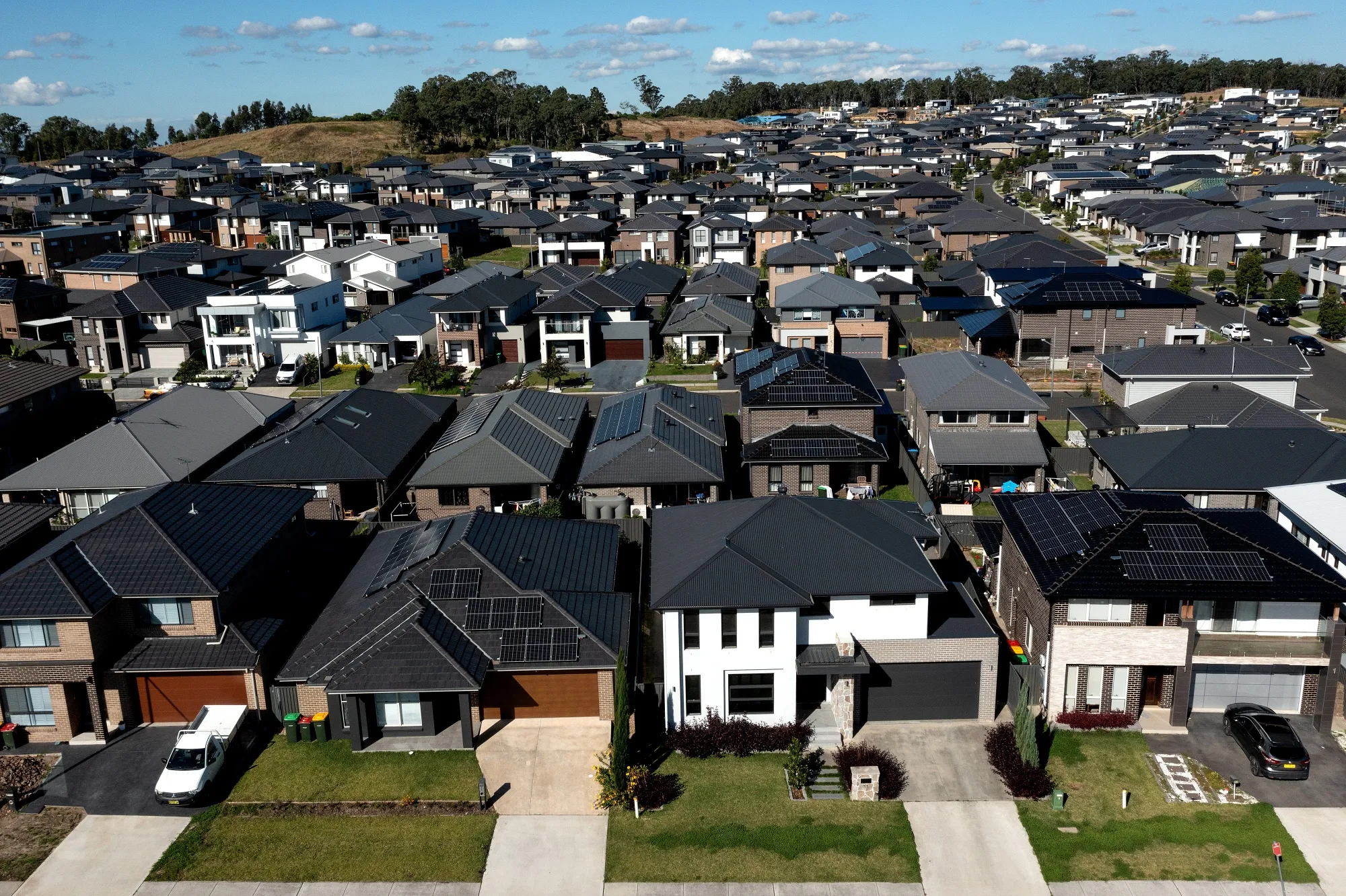
Australian Home Prices Stall in 2026

A Pause in the Property Market

For many Australians, property prices aren’t just numbers — they’re deeply tied to stress, security, and long-term financial wellbeing. After years of rapid growth, Australia’s housing market is showing signs of stalling, as uncertainty around interest rates continues to weigh on confidence.

According to recent reporting from realestate.com.au, national home prices have slowed as buyers and sellers alike take a cautious pause amid renewed rate fears. While this may feel unsettling, a slower market can also create space for clearer thinking and better decision-making.

Let’s unpack what’s happening — and what it means for households navigating financial pressure in 2026.

What’s Happening in the Housing Market?

Recent data suggests Australian home prices are no longer climbing at the pace seen in previous years. As outlined in this Realestate.com.au report, concerns around interest rate movements have led to reduced buyer urgency and softer demand in several major markets:
👉 Read More 

While some cities continue to see resilience, the broader trend points to market hesitation rather than momentum. This slowdown reflects a combination of affordability constraints, elevated mortgage costs, and uncertainty about what comes next.

Why Interest Rate Fears Matter So Much

Interest rates influence far more than borrowing capacity — they affect how safe people feel financially.

When rates rise or even threaten to rise:

  • Mortgage repayments increase
  • Household budgets tighten
  • Financial stress levels rise
  • Big decisions are delayed

Research consistently shows that housing costs are one of the strongest contributors to financial stress. At MyMoneyMedic, this is something we see reflected in PulseCheck results, where housing pressure often overlaps with mental and emotional strain.

What This Means for Buyers, Owners, and Renters

🏠 Home Buyers

A stalling market may reduce competition and ease price pressure. However, borrowing power remains sensitive to rate changes, making budgeting and financial clarity more important than ever.

🏡 Existing Homeowners

For current owners, slower price growth can feel disappointing — especially if plans rely on refinancing or selling. On the positive side, stability can reduce panic-driven decisions.

🏘️ Renters

Rental markets often remain tight even when prices stall, which can intensify cost-of-living stress. This makes broader financial wellbeing support essential, not optional.

Practical Tips to Stay Financially Balanced

💡 Tips for Navigating a Slower Property Market

  1. Review your budget with current rates in mind
    Even if rates haven’t changed yet, planning for different scenarios can reduce anxiety.
  2. Avoid panic decisions
    Market pauses are not market crashes. Take time to assess rather than react.
  3. Focus on cash flow, not just property value
    Day-to-day affordability matters more than paper gains in uncertain times.
  4. Check in on your stress levels
    Financial pressure often shows up emotionally first. Early awareness helps prevent burnout.
  5. Seek support before stress escalates
    The MyMoneyMedic Care Portal connects people to wellbeing and financial support services when things feel overwhelming

A Useful Video to Watch

🎥 What will happen to house prices in 2026? The Business | ABC News

Final Thoughts: Clarity Over Fear

A stalling property market doesn’t mean failure, and it doesn’t mean you’ve missed your chance. What it does mean is that certainty matters more than speed right now.

Whether you’re buying, owning, or renting, this moment is an opportunity to pause, reassess, and focus on financial wellbeing — not just financial outcomes.

At MyMoneyMedic, we believe that understanding the emotional side of money is just as important as understanding the numbers. When you feel supported, clearer decisions follow.