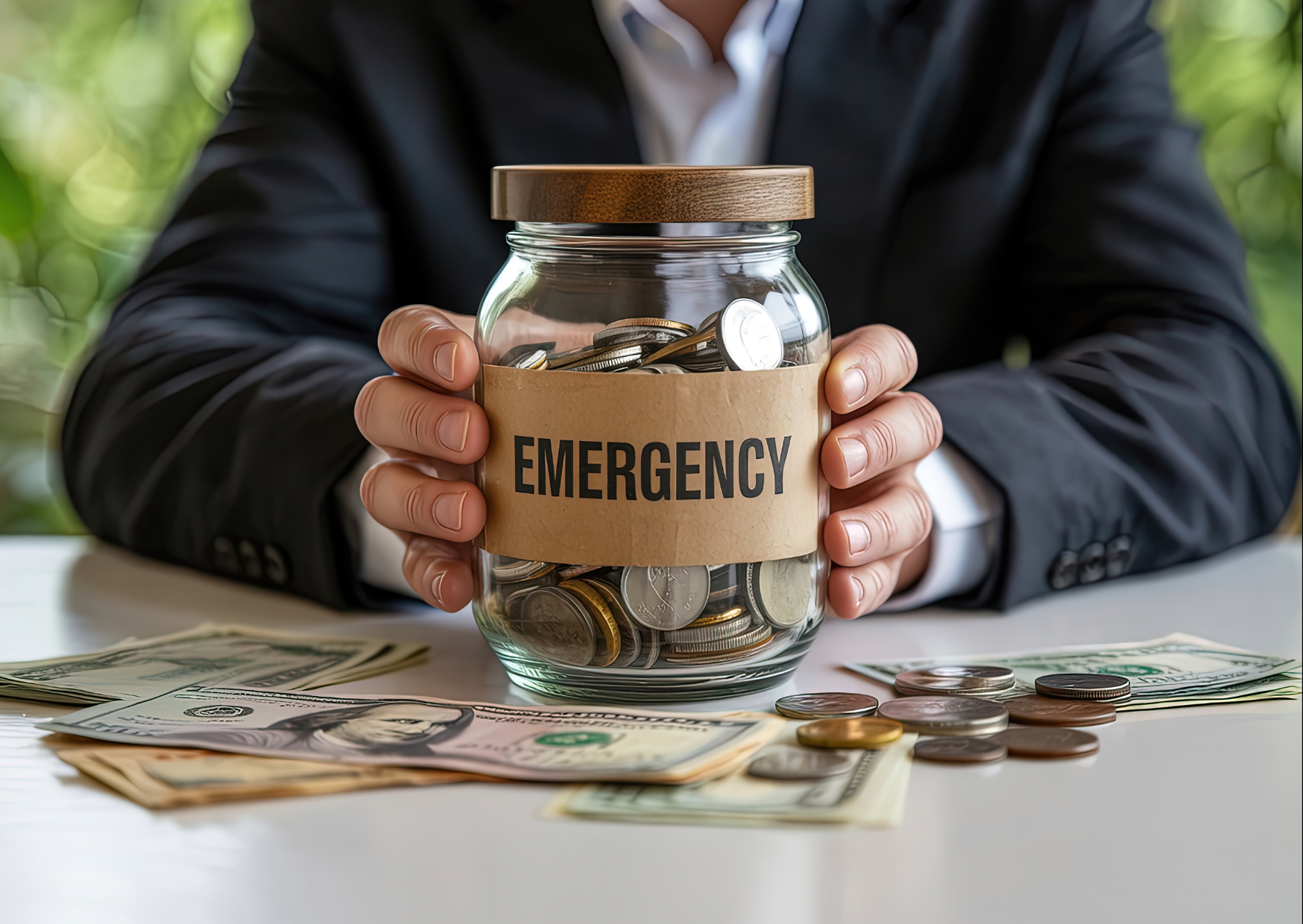
Why Emergency Funds Matter More Than Ever
Life rarely gives advance notice. A medical expense, job disruption, urgent travel, or unexpected repair can surface at any moment. When it does, the difference between panic and confidence often comes down to one thing: an emergency fund.
At MyMoneyMedic, we see this every day. Financial stress is rarely caused by poor intentions—it’s usually caused by a lack of breathing room. An emergency fund creates that space. It gives you options, time, and the ability to respond thoughtfully rather than react emotionally.
In this guide, we’ll break down what an emergency fund really is, why it’s often delayed, and how to build one without overwhelm.
What Is an Emergency Fund?
An emergency fund is not an investment strategy. It’s not designed to grow aggressively or “work hard” in the market. Instead, it serves one clear purpose: protection.
An effective emergency fund:
- Covers essential living expenses during unexpected disruptions
- Reduces reliance on credit cards or high-interest debt
- Lowers stress and improves decision-making
- Protects long-term financial goals from short-term shocks
Because of this, emergency funds should be liquid, accessible, and reliable—not locked away or exposed to risk.
Why Most People Delay Building One
Even though most people understand the concept, building an emergency fund often gets pushed aside. There are a few common reasons for this:
1. Nothing Feels Urgent—Until It Is
When everything seems stable, saving for “just in case” scenarios doesn’t feel pressing. As a result, emergency savings sit low on the priority list.
2. Progress Can Feel Slow
Unlike paying off debt or investing, emergency savings don’t deliver visible rewards right away. This can make the process feel unrewarding at first.
3. Other Goals Feel More Important
Debt repayment, lifestyle costs, or short-term plans often take priority. However, without an emergency fund, one unexpected event can undo all of that progress.
👉 According to ASIC’s MoneySmart, emergency savings are a foundational part of financial wellbeing, yet many Australians still lack adequate buffers.
How Much Should an Emergency Fund Be?
A common guideline is three to six months of essential expenses, but the right amount depends on your personal situation.
Factors to consider include:
- Income stability
- Employment type (full-time, contract, self-employed)
- Dependents or family responsibilities
- Health considerations
- Existing support systems
Rather than focusing on a perfect number, focus on steady progress. Even a small buffer can significantly reduce stress.
If you want help tailoring this to your situation, the MMM AI Agent Alex can guide you based on your real-world circumstances.
Tips: How to Build an Emergency Fund Without Overwhelm
Start Small and Build Momentum
Begin with a short-term goal—such as one month of essential expenses. This creates immediate relief and motivation.
Separate It From Everyday Spending
Use a dedicated savings account that’s easy to access but not connected to your daily transaction account.
Automate Contributions
Consistency beats motivation. Automatic transfers help build the habit without relying on willpower.
Treat It as Non-Negotiable
Emergency savings shouldn’t be leftover money. Even small, regular contributions add up over time.
Review It Annually
Life changes, and your emergency fund should evolve with it. Revisit your target whenever your income or responsibilities change.
Where Should You Keep Your Emergency Fund?
Your emergency fund should prioritise safety and access, not returns. Common options include:
- High-interest savings accounts
- Offset accounts (for mortgage holders)
Avoid placing emergency funds in volatile investments. Their purpose is stability—not growth.
For a deeper breakdown, you can explore resources like:
External guide: Emergency Fund: Uses and How to Build Yours
How To Build an Emergency Fund
If you prefer learning through video, this explainer provides a clear overview of emergency funds and why they matter:
(Educational finance content, general guidance only)
Final Thoughts: Stability Changes Everything
An emergency fund does more than protect your finances—it protects your peace of mind. When urgent pressure is removed, better decisions follow. Planning replaces reaction. Confidence replaces stress.
At MyMoneyMedic, we believe financial wellbeing starts with stability. An emergency fund isn’t a “nice-to-have.” It’s the foundation that supports everything else you’re building.
If you’re unsure where to start or how much makes sense for you, you don’t have to figure it out alone. That’s exactly why we built tools, guidance, and support around real human needs—not just numbers.