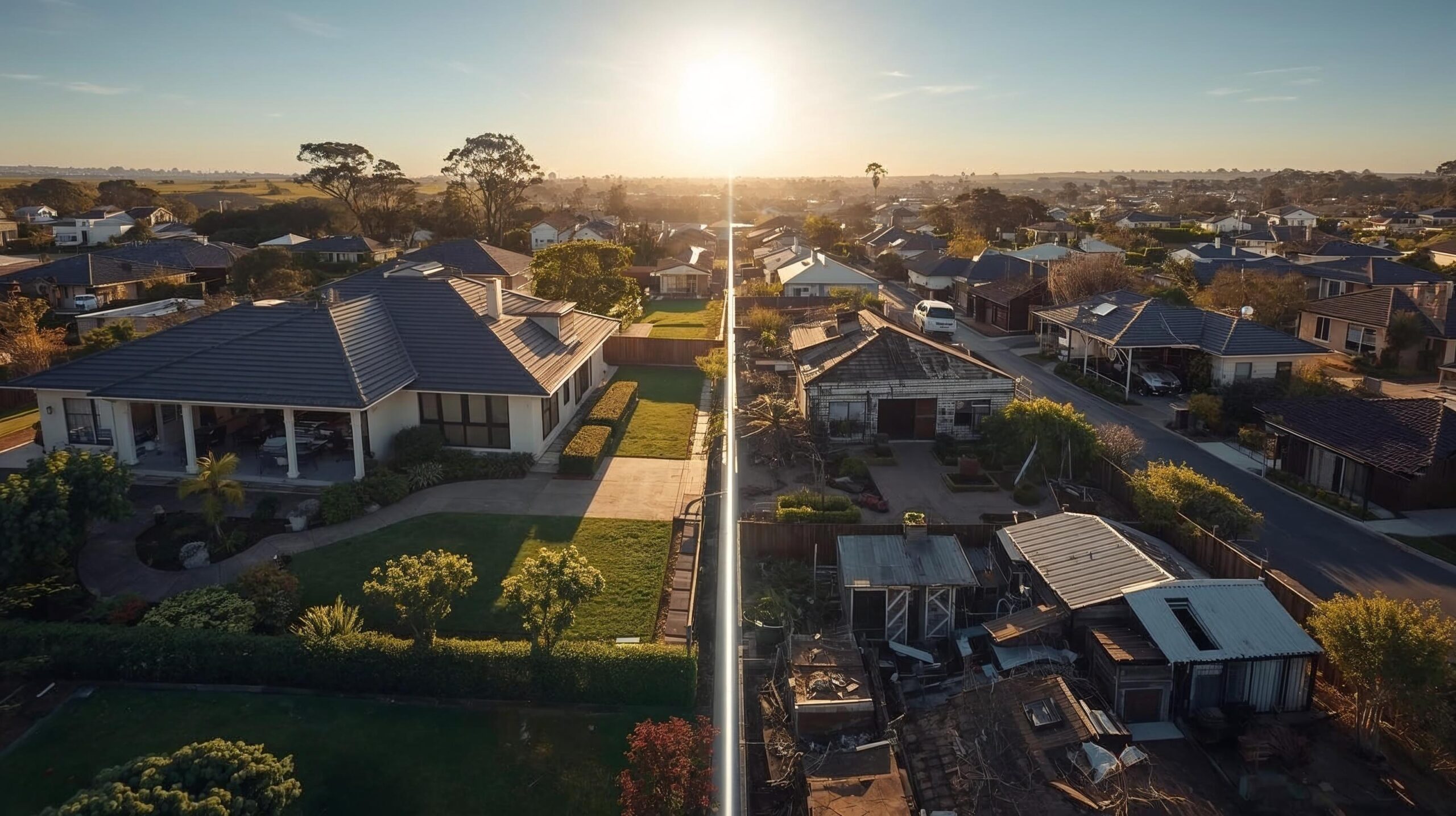
Australia’s Housing Market Splits in Two

Understanding the Housing Market Divide

Australia’s housing market is showing clear signs of a split. While cities like Sydney and Melbourne are seeing slowing or declining home values, Perth, Brisbane, and Adelaide continue to experience strong growth. According to ANZ Research, these contrasting trends mark a significant shift after the Reserve Bank’s recent rate hike. (Realestate)

At MyMoneyMedic, we know market changes can feel stressful. But understanding what’s happening brings clarity and confidence, letting you make informed choices for your financial wellbeing.

💡 What the Split Means

  • Sydney & Melbourne: Dwelling values have fallen slightly or plateaued. For example, Sydney’s high-end properties have declined for three consecutive months, while Melbourne is 0.8% below its recent peak. Auction clearance rates are weakening, reflecting softer demand.
  • Perth, Brisbane & Adelaide: These cities are still experiencing growth — some exceeding 14% annual increases. Low listing numbers are keeping competition tight, driving strong price momentum.
  • Mortgage Impact: Rate hikes have added roughly $80–$160 per month to repayments depending on your loan size, even as the market experiences this uneven growth.

This split creates both challenges and opportunities, depending on your location, financial goals, and strategy.

🛠️ Tips to Navigate the Market with Confidence

  1. Review Your Budget & Mortgage: Know how recent rate hikes affect your repayments and spending flexibility.
  2. Stay Local-Savvy: Understand trends in your city — what’s slowing in Sydney may be surging in Brisbane.
  3. Focus on Long-Term Goals: Don’t let short-term fluctuations derail your bigger financial picture.
  4. Avoid Panic Moves: A cooling market can create buying opportunities; a hot market requires caution.
  5. Use Tools for Insight: Apps like MyMoneyMedic help track expenses, mortgage impact, and financial progress.

💡 Tip: Small, informed steps today reduce stress tomorrow.

🎥New Research Warns Australia’s Housing Crisis Will Be Catastrophic in 2026 | Brisbane to Grow by 20%

Here’s a helpful video explaining current Australian property trends.

📱 Stay Ahead with the MyMoneyMedic App

When markets feel unpredictable, clarity is your superpower. The MyMoneyMedic App helps you:

  • Track income, expenses, and debt in one place
  • Plan for mortgage repayments with changing rates
  • Get personalised insights to reduce financial stress
  • Make informed, confident financial decisions

👉 Download the MyMoneyMedic App now on Google Play or Apple App Store and take control of your financial journey today.

We’re still improving the app & would love your feedback. Share your thoughts with us here:

📝 Submit your feedback

💭 Final Thoughts: Positivity Through Preparedness

A split housing market isn’t a reason for panic. By staying informed, tracking your finances, and making intentional choices, you can navigate uncertainty with calm, confidence, and hope.

Remember, financial wellbeing is built not by controlling the market, but by controlling your decisions, habits, and mindset — one step at a time.
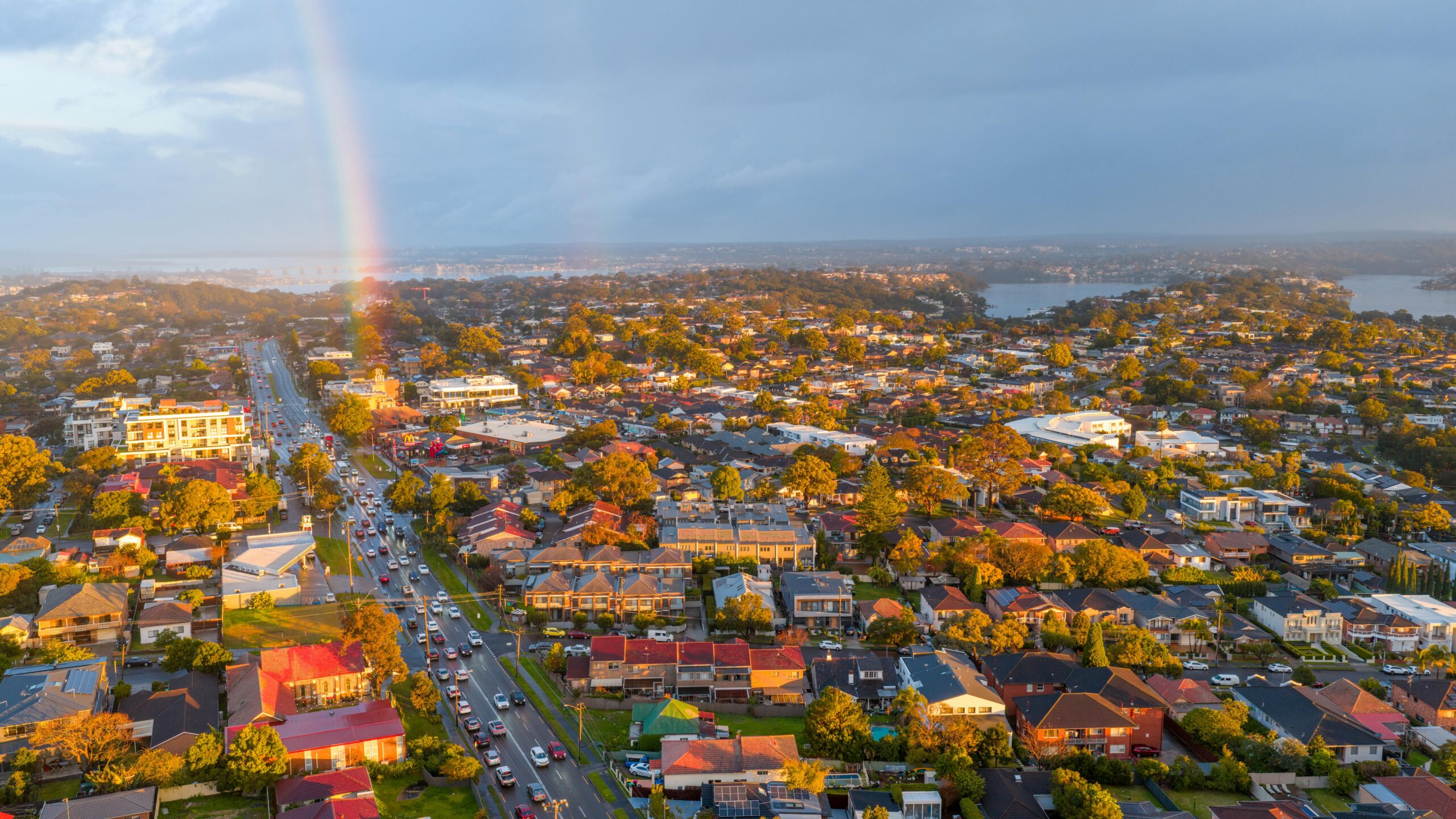
Australia Housing Market Hits ‘Speed Bump’

What the Latest National Price Slowdown Means

Australia’s housing market is showing early signs of easing after years of rapid growth. In December 2025, national house price growth recorded its slowest monthly rise in five months, while Sydney and Melbourne markets actually fell by 0.1 per cent — the first decline in some time. (Source: ABC)

This “speed bump” in the property cycle could reflect broader economic pressures, including interest rate expectations and housing affordability challenges. Understanding these shifts is increasingly important for anyone navigating property decisions — whether buying, selling or planning long-term finances.

Why Prices Are Losing Momentum

1. Prices Show Signs of Cooling After Surging in 2025

Despite the slowdown in December, Australian home values surged by 8.6 per cent across 2025, adding approximately $71,400 to the national median dwelling value — the strongest yearly gain since 2021. 

However, price growth has become uneven:

  • Sydney & Melbourne: Both saw prices dip by 0.1 per cent in December.
  • Other Capitals: Adelaide and Perth posted stronger gains, with 1.9 per cent increases; Brisbane and Darwin also grew solidly.

This mixed trend illustrates a transition to a multi-speed housing market, where affordability and demand conditions vary by city.

2. Interest Rate Expectations & Affordability Pressures

Economists point to renewed speculation that the Reserve Bank of Australia’s (RBA) rate-cut cycle may be over, with future rate increases possible if inflation remains sticky. This dynamic may be tempering buyer confidence and slowing price momentum.

High mortgage costs and ongoing affordability challenges — particularly in Sydney where the median home price sits well above average incomes — are contributing to this cooling trend. 

3. Government Schemes Still Influencing Demand

Despite the slowdown, certain segments of the market remain active. For example, the 5 per cent deposit scheme has helped sustain demand for properties priced under the higher thresholds that first-home buyers target. 

This shows housing policies can support specific buyer segments, even as overall price growth eases.

What This Means for Your Money

For Home Buyers

  • Opportunity to Re-evaluate Timing: A slowdown or negative movement can reduce competition and give buyers time to compare financing and house options.
  • Still Tough in Major Cities: Even with weaker momentum, median prices remain high in capitals like Sydney and Melbourne.
    (Related: Checklist for first-home buyers: budgeting, deposits & mortgage options — internal link)

For Homeowners

  • Equity Still Growing: Despite the slowdown, overall values nationally remain elevated after strong market performance through 2025.
  • Cost of Borrowing Matters: If interest rates stay “higher for longer,” refinancing decisions and budget planning become more critical.

For Investors

  • Multi-Speed Opportunities: Cities with continued growth (e.g., Perth, Adelaide) may offer alternative investment prospects.
  • Long-Term Perspective Wins: Property investments often benefit from long-term holding, regardless of short-term fluctuations.

A closer look at why Australia’s housing market momentum softened at the end of 2025

Australia’s housing market is showing early signs of easing, with December recording the smallest monthly price increase in five months and slight falls in Sydney and Melbourne.

Tips: Navigating a Slowing Market

  1. Strengthen Your Budget
    Before making big housing decisions, review your household budget and emergency savings. Market slowdowns highlight the value of cash flow resilience.
  2. Compare Loan Options
    Speak with lenders or financial advisors about interest rate scenarios, fixed vs variable rates, and refinancing possibilities.
  3. Don’t Chase Short-Term Trends
    A single month’s dip doesn’t guarantee a crash. Look at broader trends over quarters or years rather than reacting to headlines.
  4. Know Local Differences
    Markets outside Sydney and Melbourne show different price behaviours. Suburb-level research matters. For up-to-date local data, check tools like property sales portals or local council data.
  5. Align with Long-Term Goals
    Whether you’re aiming for your first home, an upgrade, or investment, match your housing decisions to your financial plan rather than short-term market signals.

Final Thoughts: A Speed Bump, Not a Stop Sign

The slowdown in national home price growth suggests the market is entering a new phase after years of rapid expansion. While the largest cities show signs of losing steam, other regions continue to grow. This reinforces that property markets are not monolithic — and your financial choices should reflect that diversity.

At MyMoneyMedic we focus on helping you understand what these trends mean for your money, stress levels, and long-term goals, not just the headlines.