Rate Hikes Are Squeezing Aussie Budgets

Why Rate Hikes Matter Right Now

For many Australians, interest rate hikes aren’t just headlines anymore — they’re showing up in higher repayments, tighter budgets, and growing financial stress.

According to recent reporting by news.com.au, a significant number of households are being “smashed” by ongoing rate rises, especially mortgage holders who’ve already absorbed multiple increases. And while inflation may be easing slightly, the pressure on everyday Australians is still very real.

At MyMoneyMedic, we believe financial wellbeing starts with understanding what’s happening — and knowing what small, practical steps you can take next.

What’s Driving the Pain for Households

Interest rate rises are designed to slow inflation. However, the flow-on effects can feel overwhelming, particularly for families already stretched.

Here’s what many Australians are experiencing right now:

  • Higher mortgage repayments, especially for variable-rate loans
  • Less disposable income, meaning fewer choices and more trade-offs
  • Increased anxiety and financial stress, which can impact overall wellbeing
  • Delayed life decisions, such as buying a home, starting a family, or changing jobs

Meanwhile, essentials like groceries, insurance, and utilities remain elevated, compounding the pressure.

👉 You can read more on the broader impact via the original coverage on Huge number of Australians to be smashed on rate hikes

Why Financial Stress Isn’t Just About Money

Financial stress rarely exists in isolation.

Research consistently shows that money worries are closely linked to:

  • Poor sleep 
  • Reduced productivity
  • Strained relationships
  • Declining mental health

That’s why MyMoneyMedic looks beyond spreadsheets and budgets. Financial health and overall wellbeing go hand in hand — and tackling one without the other rarely works.

Tips: What You Can Do During Rate Hikes

While you can’t control interest rates, you can control how prepared and supported you are. Here are a few practical steps to stay grounded:

1. Review, Don’t Avoid

Take time to understand exactly how rate changes affect your repayments. Clarity reduces fear.

2. Stress-Test Your Budget

Ask yourself: If rates rise again, what’s my buffer? Even small adjustments can create breathing room.

3. Check for Support Options

Some lenders offer hardship assistance or temporary relief. It’s okay to ask early.

4. Focus on 1% Improvements

You don’t need a total overhaul. One small, positive step each day compounds over time.

How the MyMoneyMedic App Can Help

This is exactly why we built the MyMoneyMedic App, now available on Google Play and the Apple App Store.

Inside the app, you can:

  • Check in on your financial wellbeing
  • Access practical tools and insights
  • Understand patterns driving stress


It’s not about judgment — it’s about support, privacy, and progress.


RBA February rate hike a near certainty after inflation rate rises to 3.8 per cent

These resources help explain what’s happening — without the noise.


You’re Not Alone

If rising interest rates are making you feel overwhelmed, you’re not failing — you’re responding to a tough economic environment.

At MyMoneyMedic, our mission is to help Australians tackle financial stress head-on and move towards a healthier, more supported future — one step at a time.

Because progress doesn’t have to be perfect.


It just has to be 1% better every day.

Why Aussies Are Spending Less in 2026

The Year Australians Hit Pause

Across Australia, many people are quietly changing their spending habits. From eating out less to delaying big purchases, 2026 has become a year of intentional pullback. According to recent reporting, Australians are choosing to stop or reduce discretionary spending as rising living costs, housing pressure, and economic uncertainty continue to bite.

At MyMoneyMedic, we see this not as a failure — but as a signal. When people change how they spend, it’s often about regaining control, easing stress, and protecting their overall wellbeing.

Let’s explore what Australians are cutting back on, why it’s happening, and how to navigate this shift without sacrificing your peace of mind.

What Australians Are Cutting Back On

Many households are rethinking everyday spending, especially in areas once considered “normal extras.”

Common cutbacks include:

  • Fewer takeaway meals and dining out
  • Delaying holidays or cancelling travel plans
  • Pausing large purchases like cars, renovations, or tech upgrades
  • Reducing subscriptions and impulse shopping

This shift reflects growing awareness that small, frequent expenses can add up quickly — especially when budgets are under pressure.

Why Spending Habits Are Changing

Several overlapping factors are influencing this behaviour:

1. Cost-of-Living Pressure

Rising grocery bills, energy costs, rent, and mortgage repayments have reduced disposable income for many households.

2. Housing and Debt Stress

Higher loan balances and interest rates mean more income is being directed toward housing, leaving less room for lifestyle spending.

3. Emotional Fatigue

Money stress doesn’t just affect bank balances — it affects mood, sleep, and decision-making. Cutting back can feel like a form of self-protection.

At MyMoneyMedic, our data consistently shows that financial pressure and emotional wellbeing are deeply connected. If money worries are weighing on you, the PulseCheck can help you understand how finances are impacting your wellbeing.

Is Spending Less a Bad Thing?

Not necessarily.

For many people, spending less in 2026 is about:

  • creating breathing room
  • reducing financial anxiety
  • rebuilding savings buffers
  • aligning spending with values

The key difference is intentional vs forced cutbacks. When spending changes feel panicked or shame-driven, stress increases. When they’re thoughtful and planned, people often report feeling calmer and more in control.

Tips to Cut Back Without Burning Out

💡 Practical, Compassionate Money Tips

  1. Separate Needs From “Nice-to-Haves”
    This isn’t about deprivation — it’s about clarity. Decide what truly supports your life and wellbeing.
  2. Avoid All-or-Nothing Thinking
    You don’t need to cancel everything. Cutting back a little is often more sustainable than extreme restriction.
  3. Replace, Don’t Just Remove
    Instead of dining out weekly, plan one special meal at home. Joy matters — even on a budget.
  4. Check In With Your Emotions
    If spending less feels heavy or stressful, that’s important information. Money decisions shouldn’t come at the cost of your mental health.
  5. Reach Out for Support Early
    If financial stress is affecting your sleep, relationships, or confidence, the MyMoneyMedic Care Portal can connect you with financial and wellbeing support.

This video explores how households are adjusting spending habits and why many are choosing to simplify rather than overstretch.

Final Thoughts: Less Spending, More Intention

Spending less in 2026 doesn’t mean giving up — it often means choosing differently. In uncertain times, many Australians are learning that financial wellbeing isn’t about keeping up, but about feeling steady, informed, and supported.

At MyMoneyMedic, we believe money should support your life — not control it. Whether you’re cutting back, resetting, or simply reassessing, you’re not alone, and you’re not failing. You’re adapting.

And sometimes, that’s the healthiest move of all.

Emergency Fund Basics: Your Financial Safety Net

Why Emergency Funds Matter More Than Ever

Life rarely gives advance notice. A medical expense, job disruption, urgent travel, or unexpected repair can surface at any moment. When it does, the difference between panic and confidence often comes down to one thing: an emergency fund.

At MyMoneyMedic, we see this every day. Financial stress is rarely caused by poor intentions—it’s usually caused by a lack of breathing room. An emergency fund creates that space. It gives you options, time, and the ability to respond thoughtfully rather than react emotionally.

In this guide, we’ll break down what an emergency fund really is, why it’s often delayed, and how to build one without overwhelm.

What Is an Emergency Fund?

An emergency fund is not an investment strategy. It’s not designed to grow aggressively or “work hard” in the market. Instead, it serves one clear purpose: protection.

An effective emergency fund:

  • Covers essential living expenses during unexpected disruptions
  • Reduces reliance on credit cards or high-interest debt
  • Lowers stress and improves decision-making
  • Protects long-term financial goals from short-term shocks

Because of this, emergency funds should be liquid, accessible, and reliable—not locked away or exposed to risk.

Why Most People Delay Building One

Even though most people understand the concept, building an emergency fund often gets pushed aside. There are a few common reasons for this:

1. Nothing Feels Urgent—Until It Is

When everything seems stable, saving for “just in case” scenarios doesn’t feel pressing. As a result, emergency savings sit low on the priority list.

2. Progress Can Feel Slow

Unlike paying off debt or investing, emergency savings don’t deliver visible rewards right away. This can make the process feel unrewarding at first.

3. Other Goals Feel More Important

Debt repayment, lifestyle costs, or short-term plans often take priority. However, without an emergency fund, one unexpected event can undo all of that progress.

👉 According to ASIC’s MoneySmart, emergency savings are a foundational part of financial wellbeing, yet many Australians still lack adequate buffers.

How Much Should an Emergency Fund Be?

A common guideline is three to six months of essential expenses, but the right amount depends on your personal situation.

Factors to consider include:

  • Income stability
  • Employment type (full-time, contract, self-employed)
  • Dependents or family responsibilities
  • Health considerations
  • Existing support systems

Rather than focusing on a perfect number, focus on steady progress. Even a small buffer can significantly reduce stress.

If you want help tailoring this to your situation, the MMM AI Agent Alex can guide you based on your real-world circumstances.

Tips: How to Build an Emergency Fund Without Overwhelm

Start Small and Build Momentum

Begin with a short-term goal—such as one month of essential expenses. This creates immediate relief and motivation.

Separate It From Everyday Spending

Use a dedicated savings account that’s easy to access but not connected to your daily transaction account.

Automate Contributions

Consistency beats motivation. Automatic transfers help build the habit without relying on willpower.

Treat It as Non-Negotiable

Emergency savings shouldn’t be leftover money. Even small, regular contributions add up over time.

Review It Annually

Life changes, and your emergency fund should evolve with it. Revisit your target whenever your income or responsibilities change.

Where Should You Keep Your Emergency Fund?

Your emergency fund should prioritise safety and access, not returns. Common options include:

  • High-interest savings accounts
  • Offset accounts (for mortgage holders)

Avoid placing emergency funds in volatile investments. Their purpose is stability—not growth.

For a deeper breakdown, you can explore resources like:
External guide: Emergency Fund: Uses and How to Build Yours

How To Build an Emergency Fund

If you prefer learning through video, this explainer provides a clear overview of emergency funds and why they matter:

(Educational finance content, general guidance only)

Final Thoughts: Stability Changes Everything

An emergency fund does more than protect your finances—it protects your peace of mind. When urgent pressure is removed, better decisions follow. Planning replaces reaction. Confidence replaces stress.

At MyMoneyMedic, we believe financial wellbeing starts with stability. An emergency fund isn’t a “nice-to-have.” It’s the foundation that supports everything else you’re building.

If you’re unsure where to start or how much makes sense for you, you don’t have to figure it out alone. That’s exactly why we built tools, guidance, and support around real human needs—not just numbers.

Sydney Home Prices: Rise in Cheap Areas

What’s Happening in Sydney’s Housing Market

The Sydney housing market is telling a tale of two trends. According to recent data, home prices in some of Sydney’s most affordable suburbs are continuing to rise — even as prices in traditionally high-end areas soften. This shift matters not just for buyers and owners, but for anyone thinking about financial plans tied to property, wealth creation, or long-term affordability.

In this article, we unpack what’s happening, why it matters for you, and practical tips to navigate these changes.

Understanding the Split Market

📈 Affordable Areas Are Trending Up

Recent figures show that outer Western Sydney and regional markets like the Blue Mountains and Southwest regions — generally considered more budget-friendly — posted measurable price gains while central, luxury and coastal areas lagged behind.

Experts attribute this to a few forces:

  • Stronger buyer demand from first-home buyers and investors who are priced out of more expensive markets.
  • Lower affordability stress in outer ring suburbs where homes still cost well below Sydney’s median.

Having access to these market trends can help guide decisions such as whether now’s a good time to buy, or where your budget might go further.

📉 Wealthier Suburbs Are Cooling

At the same time, historically expensive areas — especially in Sydney’s eastern suburbs, North Shore, and premium regions — have seen prices dip modestly. This reflects tightening lending conditions, changing demand, and shifting buyer priorities.

For many, this signals a market recalibration rather than collapse. But it does affect equity, refinancing possibilities, and long-term investment planning.

💡 Tips for Homebuyers & Investors

Whether you’re buying your first home or building a property portfolio, here are some practical insights:

  1. Track affordability trends — Look at suburbs with rising values but still below median prices. These often represent growth and accessibility.
  2. Consider long-term fundamentals — Local jobs, infrastructure, schools and transport are better predictors of value than hype.
  3. Understand financing impacts — Interest rates and borrowing conditions can affect your budget more than the listed price.
  4. Stay informed — Resources like PropTrack and realestate.com.au give regularly updated suburb data.
  5. Seek support when stressed — If financial uncertainty from buying or selling is affecting you, our PulseCheck tool can help you explore your financial and emotional responses — and suggest support options if needed.

🎥 Sydney house prices surge in affordable suburbs | 7NEWS


Navigating property markets can be overwhelming, especially when change feels uneven or unpredictable. At MyMoneyMedic, we’re here to help you cut through the noise, understand your choices, and build financial confidence — one step at a time.

📌 Final Thoughts

Sydney’s property market shift — with cheaper areas gaining value while pricier suburbs soften — highlights the importance of understanding both the emotional and financial sides of big decisions like buying or selling a home. By staying informed, flexible, and grounded in your goals, you can make choices that support your financial wellbeing now and into the future.

Will Australian House Prices Crash?

Is a Housing Crash Really Coming?

Talk of a house price crash in Australia often circulates in media and online forums — especially during times of economic uncertainty. Headlines sometimes suggest prices are “rigged to crash,” implying deep and imminent falls. While such language can be attention-grabbing, the reality is more nuanced.

At MyMoneyMedic, we know that housing market talk can stir strong emotions — especially for homeowners, renters, or anyone dreaming of buying a home. Instead of fear, we aim to help you understand what drives price movements and what it might mean for your financial and emotional wellbeing.

What Experts Are Saying About Price Risks

There’s no single answer to whether Australian house prices will crash. Instead, analysts and commentators point to a mix of factors that can either support prices or make them more vulnerable:

1. Strong Price Growth Continues

Recent reports show that Australian home prices have continued rising, with many capital cities hitting record median values and cities like Perth and Brisbane seeing strong annual growth. This persistent demand can resist sharp downturns even when affordability feels strained.

2. Supply and Demand Imbalance

A core reason prices remain high is the ongoing shortfall in housing supply. Despite construction efforts, Australia has struggled to build enough homes to meet demand, especially with population growth and under-target completions. Supply shortages can cushion prices from a deep fall.

3. Slowing Buyer Confidence

That said, housing confidence has dented somewhat, with affordability challenges — like needing many years of income to save a deposit — slowing buyer activity. This can temper price growth, though it doesn’t necessarily mean a crash.

4. Localised Variations

Even when overall market conditions remain strong, price movements can differ by suburb or region. For example, some inner areas in cities like Melbourne could see softening prices while others stay robust.

The big picture is that a nationwide, sharp “crash” isn’t widely expected by most mainstream analysts — though price corrections or slower growth phases are possible.

Why Crash Predictions Can Cause Stress

Talk of a crash or market collapse can stir worry because housing is among the biggest financial decisions people make. That’s why it’s important to unpack the difference between market talk and personal financial reality.

  • Affordability still matters: High prices mean more pressure on budgets and savings.
  • Borrowing costs affect comfort: Mortgage repayments tied to interest rates can influence how secure households feel.
  • Expectations shape emotions: Headlines about crashes can lead to anxiety even when fundamentals remain stable.

If uncertainty around housing prices is affecting your stress or sleep, tools like the MyMoneyMedic PulseCheck can help you understand how financial stress shows up for you.

Tips to Stay Grounded in Uncertain Markets

💡 Practical Steps for Your Wellbeing

  1. Focus on What You Can Control
    Rather than trying to time the market, concentrate on your budget, savings, and long-term goals.
  2. Build an Emergency Buffer
    Even modest savings make a big difference, especially when unexpected financial challenges arise.
  3. Educate Yourself on Housing Trends
    Understanding supply, demand, and local market conditions can help reduce fear from headlines.
  4. Seek Support When Needed
    If housing concerns are causing emotional strain, the MyMoneyMedic Care Portal connects you with tailored support:
  5. Avoid Reactive Decisions
    Making big financial moves based on short-term predictions often increases stress — slow, thoughtful planning usually leads to better outcomes.

🎥 “Australia’s Housing Market on the Brink of Total Collapse” – Scott Kuru

Australia’s housing crisis continues to worsen as thousands of promised homes quietly disappear from development pipelines across the country. This video exposes the real story behind government housing announcements and why the supply everyone keeps talking about is not actually reaching the ground.

Final Thoughts: Understanding vs. Panic

It’s natural to wonder if house prices could fall — especially when affordability feels out of reach. But markets are complex systems influenced by supply, demand, policy, interest rates, and human behaviour. A “crash” is just one possible scenario among many.

At MyMoneyMedic, we encourage you to focus on clarity, resilience, and wellbeing rather than fear. By staying informed, building financial strength, and caring for your emotional health, you can navigate uncertain times with confidence and calm.

Remember: Property markets shift — but your peace of mind can be intentional.

11 Ways to Keep More Money in Your Pocket

Take Charge of Your Money

Financial stress can affect anyone, especially with rising living costs across Australia. The good news? Simple, intentional steps can help you keep more of your hard-earned money, reduce unnecessary spending, and build confidence in your financial decisions. In this guide, we share 11 practical ways to reclaim your cash and improve your overall money wellbeing.

11 Ways to Keep More Money in Your Pocket

1. Track Every Dollar

Understanding where your money goes is the first step to saving. Record all income and expenses—even small daily purchases—so you can identify where you can cut back. Tools like Pocketbook or MoneySmart’s budget planner can make this simple and visual.

2. Review Subscriptions

From streaming services to gym memberships, recurring subscriptions quietly drain your finances. Review what you use regularly and cancel or downgrade unnecessary services. Even small monthly savings quickly add up.

3. Prioritise High-Interest Debt

Credit cards and personal loans with high interest can silently eat your budget. Focus on paying off high-interest debt first while maintaining minimum payments elsewhere. This reduces interest payments and leaves more money for your goals. (ASIC MoneySmart: Managing Debt)

4. Cook More at Home

Regularly buying lunch or takeaway adds up. Preparing meals at home allows you to control costs and eat healthier. Planning weekly meals and batch cooking can save hundreds each month.

5. Sell Items You Don’t Use

Unused items around the house—like old electronics, clothes, or furniture—can be sold through platforms like Gumtree or Facebook Marketplace. This helps declutter your space and brings extra cash into your pocket.

6. Explore Better Banking Options

Some Australian banks offer no-fee accounts, high-interest savings, or cashback incentives. Comparing accounts can help you save on fees and earn interest on your savings. (Canstar: Compare Bank Accounts)

7. Use Rewards Programs

Loyalty points, cashback, and reward programs from stores or cards are money you’ve already spent. Redeem points for essentials, groceries, or bills to stretch your budget further.

8. Try No-Spend Days

Choose one or two days a week to avoid discretionary spending entirely. Planning these no-spend days encourages mindful consumption and helps break unnecessary spending habits.

9. Check for Forgotten Funds

Old bank accounts, tax refunds, or unclaimed superannuation balances may be waiting for you. Check MoneySmart’s unclaimed money search to reclaim funds you might have forgotten.

10. Build an Emergency Fund

Even small contributions into a dedicated emergency fund help prevent unexpected expenses from turning into debt. Start with manageable amounts each week, and increase as you can.

11. Subscribe to MyMoneyMedic

The most effective way to consistently keep more money is with guidance and support. By subscribing to MyMoneyMedic, you receive personalised tips, tools, and advice to manage finances, reduce stress, and make smarter money decisions every day.

Want to be a test user of our new app on TestFlight? Click here to join and get early access to tools designed to help you take control of your financial wellbeing.

🎥14 Easy Ways to Put More Money in Your Pocket & How to Keep it Simple

Money-Saving Tips from MyMoneyMedic

  • Start small: Focus on one or two strategies and build from there.
  • Automate savings: Set up regular transfers to savings or emergency accounts.
  • Review monthly: Monitor spending, adjust habits, and celebrate small wins.

Final Thoughts

Saving money and building financial confidence doesn’t require drastic lifestyle changes. With deliberate tracking, reducing unnecessary costs, and utilising smart banking and rewards options, Australians can regain control over their finances. Remember, MyMoneyMedic is here to guide you, step by step, toward a more secure financial future.


How Your Credit Score Works

Your Credit Score, Explained Simply

Your credit score can feel like a mystery number quietly influencing big life decisions — loans, interest rates, even rental applications. But it’s not magic, and it’s not permanent.

At MyMoneyMedic, we believe financial wellbeing starts with understanding. When you know how your credit score is built, you can take small, intentional steps to improve it — without stress, shame, or overwhelm.

This guide breaks down how credit scores work in Australia, what’s considered good or bad, and how you can start getting 1% better, every day.

How Is a Credit Score Calculated?

Your credit score is calculated using data from your credit report. While scoring models vary slightly, most are based on five core factors:

1. Payment History (≈35%)

This is the most important factor.

It looks at:

  • Whether you pay bills and loans on time
  • Missed payments, defaults, or court judgments

Even one late payment can have an impact, which is why consistency matters more than perfection.

2. Credit Utilisation (≈30%)

This measures how much credit you’re using compared to what’s available.

For example:

  • $3,000 balance on a $10,000 limit = 30% utilisation

Lower utilisation shows lenders you’re not financially stretched.

3. Length of Credit History (≈15%)

The longer your accounts have been open, the more data lenders can see.

That’s why, where possible, keeping older accounts open can support your score — even if you don’t use them often.

4. Credit Mix (≈10%)

This reflects the types of credit you manage, such as:

  • Credit cards
  • Personal loans
  • Car loans
  • Home loans

A healthy mix shows you can manage different financial commitments responsibly.

5. New Credit & Enquiries (≈10%)

Every time you apply for credit, a hard enquiry is recorded.

Too many applications in a short period can signal financial stress — even if you’re approved.

What’s a Good or Bad Credit Score in Australia?

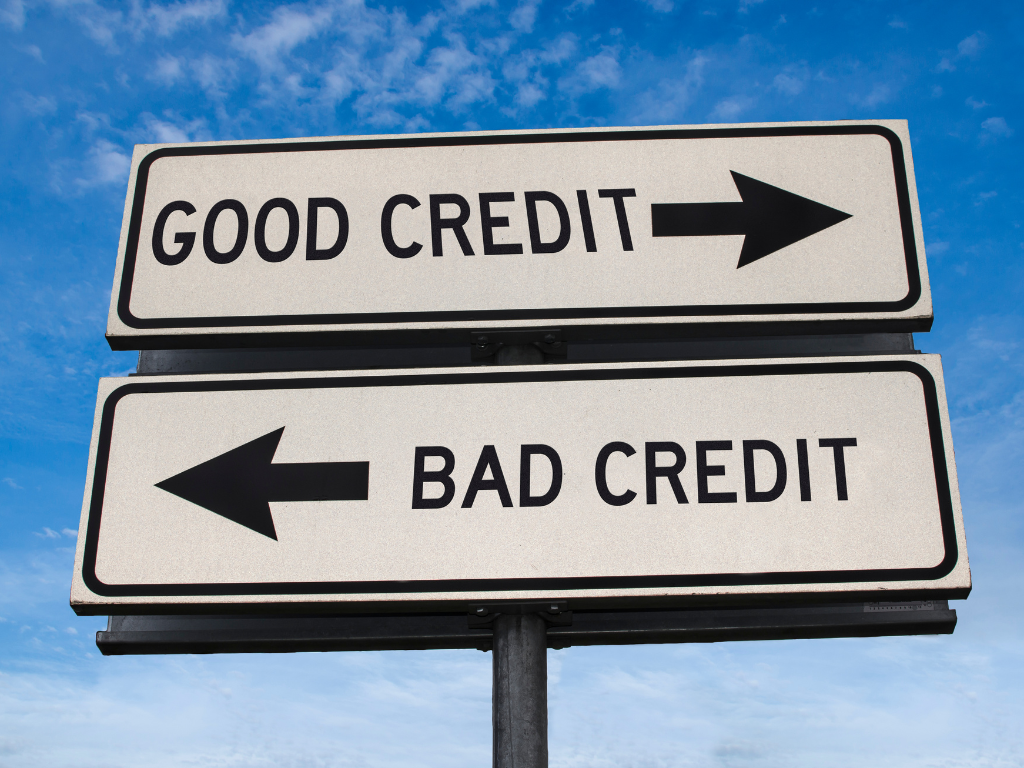
While ranges differ slightly by bureau (Equifax, Experian, Illion), a general guide looks like this:

👉 Most Australians sit in the fair to good range, which means improvement is often achievable with the right habits.

Why Your Credit Score Matters

A healthier credit score can lead to:

  • Lower interest rates
  • Easier loan approvals
  • More financial flexibility
  • Less money stress overall

Importantly, your credit score isn’t just about borrowing — it’s about financial confidence and choice.

Tips: How to Improve Your Credit Score

Here are practical, realistic steps you can start today:

✅Pay Bills on Time

Set up direct debits or reminders to avoid missed payments.

✅ Keep Credit Card Balances Low

Aim to stay under 30% of your credit limit.

✅ Check Your Credit Report Regularly

Errors happen. Reviewing your report helps you catch mistakes early.
You can access free reports through providers like:

✅ Limit Credit Applications

Be selective. Apply for credit only when necessary.

✅ Build Better Habits, Not Quick Fixes

Credit improvement is a process. Small changes, repeated consistently, create momentum.

How MyMoneyMedic Can Help

At MyMoneyMedic, we don’t just focus on numbers — we focus on people.

Our PulseCheck helps you:

  • Understand where you currently sit
  • Identify priority actions
  • Build healthier financial habits over time

Because financial wellbeing isn’t about judgment — it’s about support, clarity, and progress.

👉 Start with awareness. Aim for progress. Get 1% better, every day.

Final Thoughts: Progress Over Perfection

Your credit score is not a reflection of your worth.
It’s a snapshot of financial behaviour — and behaviour can change.

With the right knowledge, support, and small consistent steps, improvement is possible. And you don’t have to do it alone.

💙 That’s what MyMoneyMedic is here for.

Sydney Loan Repayments Jump $22K

Why Rising Repayments Matter

Many Sydney homeowners are now feeling a sharp financial squeeze, with recent data showing mortgage repayments rising by an average of $22,000 per year compared to just a few years ago. This jump reflects rapid growth in home prices, larger loan sizes, and shifts in interest rates — and it’s not just a number on paper.

At MyMoneyMedic, we know that financial pressure like this affects daily life and emotional wellbeing, especially when budgets get tight and goals feel harder to reach. So let’s unpack what’s happening, why it matters, and how you can navigate these changes with confidence and care.

Reference:
👉 Sydney homeowners hit with $22k yearly repayment increase.

What’s Driving Higher Mortgage Costs

There are a few key reasons Sydney borrowers are seeing such significant increases:

  • Higher home prices require larger loans than in previous years, pushing monthly repayments up.
  • Even small changes in interest rates can add thousands over a year, especially on high‑value loans.
  • Stretching into higher mortgage balances makes households more sensitive to rate shifts and budget stress.

According to property market analysis, the overall mortgage market in Australia has grown substantially, with banks now holding over $2.4 trillion in home loans, driven by rising dwelling values and larger borrowing amounts.

This combination of high debt and rising repayments leaves many households juggling tighter budgets — and for some, that can translate to stress and worry about the future.

How It Affects Everyday Wellbeing

A jump like $22,000 a year isn’t just financial — it seeps into everyday life:

  • Budget constraints: Less discretionary spending and savings buffer.
  • Emotional strain: Money worries are linked to stress, sleep disruption, and anxiety.
  • Delayed goals: Plans for travel, family changes, or career moves may be postponed.

At MyMoneyMedic we see these patterns reflected in our PulseCheck wellbeing data — financial pressure often overlaps with stress, worry, and difficulty planning ahead.
👉 Explore how your money stress affects wellbeing: https://mymoneymedic.ai/pulsecheck

Understanding the bigger picture can help you respond with calm, not panic.

Tips to Navigate Higher Repayments

💡 Practical Advice from MyMoneyMedic

  1. Review Your Budget Regularly
    Check where your money goes each month — sometimes small adjustments can free up essential savings.
  2. Stress‑Test Your Finances
    Plan for scenarios like higher repayments or rate bumps to reduce uncertainty and build confidence.
  3. Consider Refinancing
    Shop around for better rates or loan features, like offset accounts or redraw options, to manage costs.
  4. Build a Buffer
    Even modest savings can reduce anxiety and give you more breathing room when bills rise.
  5. Seek Support Early
    Money stress is real, but you don’t have to manage it alone. The MyMoneyMedic Care Portal can connect you with financial and wellbeing support when things feel overwhelming:
    👉 https://mymoneymedic.ai/care-portal

Borrowers brace for higher mortgage repayments | The Business | ABC NEWS

Homeowners were given a warning from the Reserve Bank that interest hikes could be coming this 2026.

Final Thoughts: You’re Not Alone in This

Rising mortgage repayments are challenging — but you don’t have to face them in silence or confusion. Financial shifts like these can feel overwhelming, but insight and support help you stay grounded and proactive.

At MyMoneyMedic, we’re here to help you look at your situation with clarity, focus on what you can control, and build financial wellbeing that supports your whole life — not just your bank balance.

Remember, a mortgage is just one part of your financial landscape — and with the right strategies and support, you can navigate these changes with confidence.

Triple Rate Hikes Hit Homebuyers Hard

How Fixed Rates Are Changing Your Mortgage

Homebuyers across Australia have been hit with steep fixed-rate increases as banks respond ahead of the Reserve Bank of Australia (RBA) meetings. The Commonwealth Bank, for instance, raised its three-year fixed mortgage rate by 0.70%, equivalent to a triple rate hike, increasing monthly repayments for thousands of borrowers.

At MyMoneyMedic, we know that changes like this affect not just your budget but also your mental and emotional wellbeing. Understanding the impact and having strategies to cope can help you stay in control of your finances during uncertain times.

Full article reference: Triple Rate Hike Shock

Why Rates Are Rising

Banks are preemptively adjusting fixed rates in anticipation of potential RBA cash rate hikes. These increases mean:

  • Higher monthly repayments: A $600,000 mortgage could rise by $90/month per 0.25% rate increase.
  • Fewer affordable fixed options: Some lenders are now offering rates above 5.7%, leaving fewer low-rate alternatives.
  • Increased stress for potential first-home buyers: Rising repayments make budgeting and loan approvals more challenging.

According to Canstar data, 34 lenders have hiked at least one fixed rate in the past month alone, highlighting how widespread the shift is.

Impact on Everyday Australians

Fixed-rate mortgage increases affect households in multiple ways:

  1. Budget Strain: Higher repayments may force cutbacks in daily spending, savings, or investments.
  2. Decision Paralysis: Uncertainty about further hikes can delay property purchases.
  3. Stress and Wellbeing: Financial anxiety can contribute to sleep issues, relationship strain, and mental fatigue.

Tools like the MyMoneyMedic PulseCheck can help you assess how financial stress is affecting your overall wellbeing.

Tips to Navigate Higher Fixed Rates

💡 Practical Advice for Homeowners and Borrowers

  1. Review Your Mortgage Options
    Check alternative lenders — smaller banks or credit unions may still offer competitive rates.
  2. Consider Refinancing
    If your fixed rate is significantly higher than the market, refinancing might reduce monthly repayments.
  3. Strengthen Your Budget
    Identify non-essential expenses to reduce pressure and build an emergency buffer.
  4. Stay Informed on RBA Decisions
    Upcoming cash rate changes may further influence mortgage costs. Reliable sources include RBA updates and Canstar analysis.
  5. Take Care of Your Wellbeing
    Financial stress can spill over into your mental health. Activities like mindfulness, exercise, or speaking with a trusted advisor can help. Learn more via the MyMoneyMedic Care Portal:
    👉 Care Portal

RBA Leaves Interest Rates On Hold At 3.6% With Hikes Expected This 2026 | 10 News

The Reserve Bank has left rates on hold at 3.6% in the final rates decision for 2025.

While the cash rate remains steady for now, rate hikes are expected this 2026 in bad news for mortgage holders.

Final Thoughts: Staying in Control Amid Rising Rates

Triple-rate hikes may feel alarming, but understanding your options and taking proactive steps can protect your financial wellbeing. At MyMoneyMedic, we believe that financial clarity and planning reduce anxiety and support long-term stability.

Even in times of rate volatility, small actions — budgeting, monitoring rates, and seeking support — can make a big difference in staying confident and in control.

Australia’s Tax System and Your Wallet

Why the Tax System Matters to You

Australia’s tax system isn’t just lines on budget spreadsheets — it influences everything from your take‑home pay to housing costs and government services. Recently, economists and policymakers have raised concerns that the current tax system is costing the federal budget hundreds of billions of dollars, raising questions about its fairness, efficiency, and impact on everyday Australians.

At MyMoneyMedic, we understand that changes to taxation affect not only your finances but also your emotional wellbeing — especially when you’re trying to budget, plan for the future, or cope with cost‑of‑living pressures.

Let’s unpack what Australia’s tax system debate means for your money and wellbeing in 2026.

What the Tax Debate Is About

Recently, experts have highlighted that the Australian tax system provides significant concessions and exemptions, sometimes costing the budget large sums while benefiting certain groups. These discussions often focus on whether the structure of tax breaks and deductions still suits the economy and society today.

These debates aren’t just academic — they influence:

  • Government revenue available for healthcare, education, and social support
  • Budget deficits and future spending
  • Income tax settings and personal tax relief
  • Distribution of tax burdens across different income groups

Understanding these links helps you make sense of big financial headlines and how they might connect to your reality.

How Tax Settings Affect Everyday Life

Your daily finances are shaped by policies that determine:

  • income tax rates, which affect how much you keep of each dollar earned
  • tax deductions or credits, like those for home loans, superannuation, or business income
  • exemptions and concessions, which affect how different groups pay tax

For example, proposed personal tax cuts in recent federal budgets aim to reduce marginal tax rates for low and middle income earners, potentially leaving more money in household budgets — but they also influence government revenue and future policy.

Meanwhile, tax expenditures (concessions or exemptions) may benefit certain taxpayers while reducing revenue that could otherwise fund public services or cost‑of‑living support.

Why This Matters for Your Wellbeing

Taxes and budgets may sound distant, but their effects are real:

Take‑home income determines how much you can save or spend
Tax revenue funds services that support health, education, and jobs
Budget deficits and spending choices influence economic stability

In times of economic uncertainty, changes to tax policy can add to stress about future costs, housing affordability, and financial security. If you want to better understand how tax decisions impact your personal financial stress, the MyMoneyMedic PulseCheck gives you tailored insights.

Tips to Navigate Financial Stress Around Tax Changes

💡 Practical Steps to Strengthen Your Confidence

  1. Know Your Tax Position
    Understand your tax bracket and how changes may affect your take‑home pay each year. Tools like the ATO’s tax calculator can help.
  2. Keep Track of Deductions You’re Eligible For
    Common deductions can include work‑related expenses, investment costs, or self‑education expenses. Keeping good records helps you claim what’s due.
  3. Budget With Realism
    If cost‑of‑living pressures feel tight, review your cash flow and prioritise essentials. Tools like MyMoneyMedic’s budgeting guides can help.
  4. Plan for Future Policy Changes
    Tax settings can evolve. Stay informed by checking government releases or financial news so you can anticipate shifts.
  5. Take Care of Yourself
    Financial uncertainty can affect emotional health. The MyMoneyMedic Care Portal can connect you with support if you’re feeling overwhelmed.

🎥 How The Australian Tax System Works in 2026 (Explained in 5 Minutes)

This video helps demystify how your tax return works, which is foundational for understanding broader tax debates.

Final Thoughts: How to Stay Steady Amid Change

Australia’s tax system plays a big role in shaping economic conditions, public services, and household finances. While debates about efficiency, fairness, and cost are part of big‑picture policymaking, the most important focus for you is:

➡️ Your financial wellbeing
➡️ Your understanding of your personal tax position
➡️ Your peace of mind during times of change

We believe that financial stress affects overall wellbeing, and clarity helps reduce anxiety. By staying informed, planning ahead, and seeking support when needed, you can navigate tax changes with confidence and calm.